
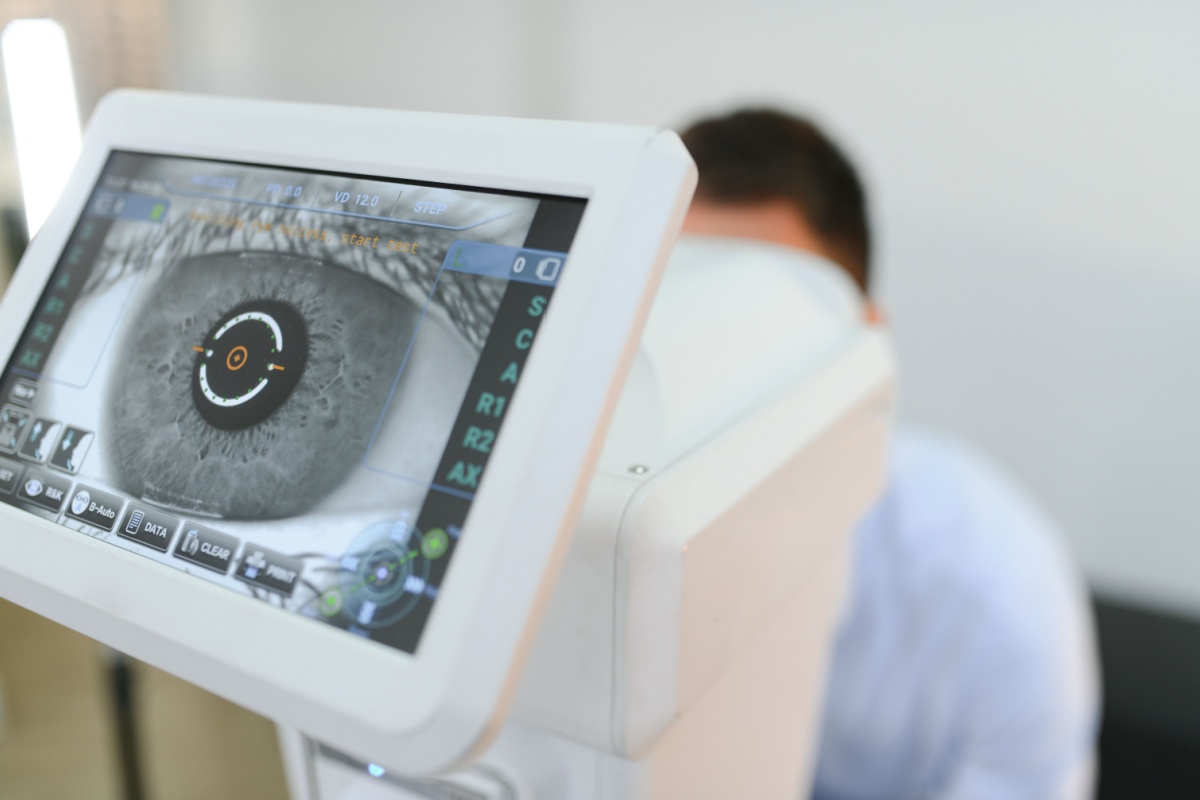
A comprehensive eye exam is an important part of your overall health routine. It goes far beyond a quick vision check or reading letters on a chart. At Amherstview Eyecare, we examine the full health of your eyes — from the surface to the deeper retinal layers — to help you see clearly today and protect your long-term vision.
So what actually happens during a full eye exam with an optometrist? A comprehensive eye exam is a detailed evaluation of your vision, eye function, and ocular health. It includes tests to measure how well you see, how your eyes work together, and the condition of the internal structures of the eye. With modern imaging, it can also reveal early signs of eye diseases and even systemic health changes, long before symptoms appear. It’s one of the most effective ways to maintain clear, comfortable vision for life.
More Than a Simple Vision Check
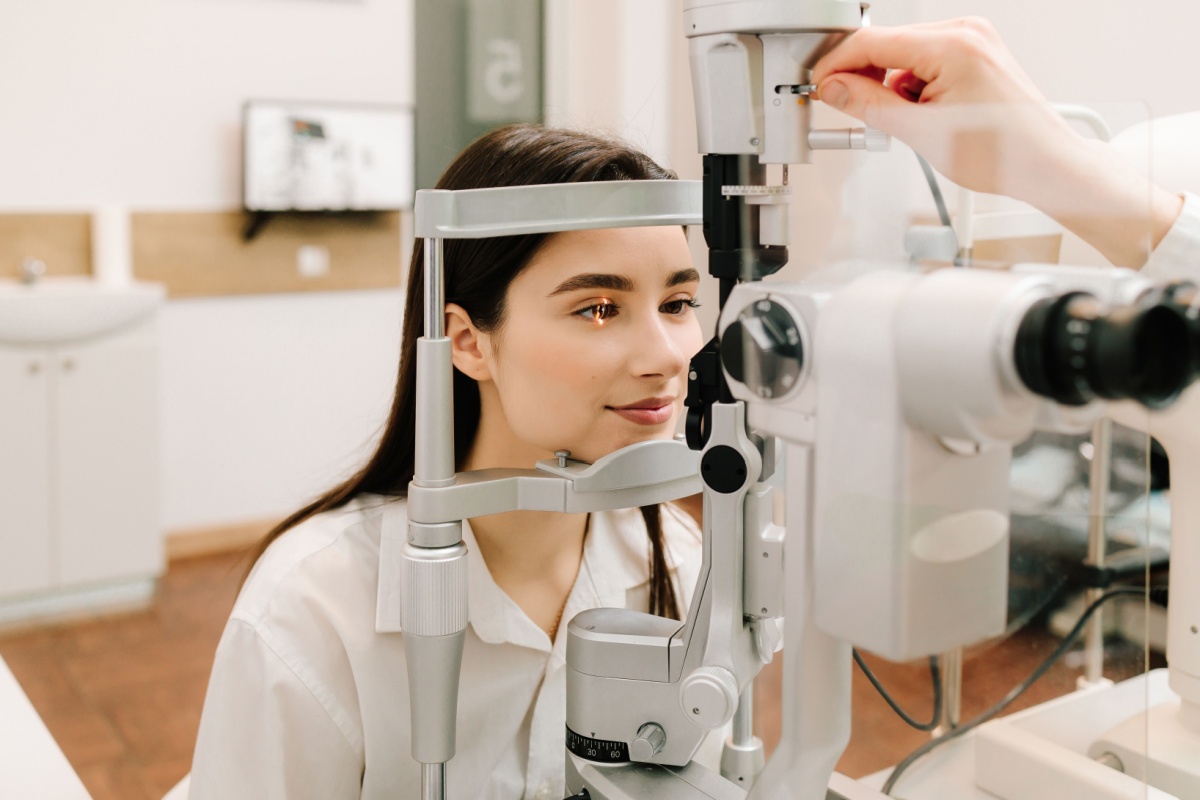
Many people think an eye exam is just about updating a glasses prescription. While that’s one part of it, a full exam goes much deeper. A comprehensive eye exam evaluates how your eyes function, how they work together, and the condition of the internal structures of the eye, including the retina, optic nerve, and blood vessels.
Because the eyes are closely connected to the rest of the body, an optometrist can sometimes detect early signs of conditions like diabetes, high blood pressure, high cholesterol, and certain autoimmune or neurological issues, even before symptoms appear elsewhere. That’s why routine eye exams are a valuable part of long-term preventive healthcare, not just vision care.
What to Expect During Your Eye Exam
When you visit our eye doctor in Amherstview, we guide you through each step so you always feel informed and comfortable. Here’s what a complete exam involves:
1. Your Health & Vision History
We begin by discussing your current vision concerns, medications, family health history, and lifestyle needs. This helps us tailor your care and understand how your eyes may change over time.
2. Visual Acuity & Prescription Testing
This is the familiar part — reading an eye chart to determine how clearly you can see at different distances. This allows us to update or confirm your eyeglass or contact lens prescription.
3. Eye Function & Teaming
We assess how well your eyes move, focus, and work together. This includes peripheral vision, depth perception, pupil response, and eye muscle movement.
4. Advanced Retinal Imaging (OCT and Photos)
Every adult comprehensive exam at Amherstview Eyecare includes OCT scans and retinal photos. These detailed images allow us to see the deeper layers of the eye that are not visible to the optometrist when examining the retina with a microscope alone. This technology helps us detect early changes associated with eye diseases, often before symptoms affect your vision.
OCT and retinal imaging are key tools for early detection of glaucoma, macular degeneration, diabetic retinopathy, and other retinal conditions.
Why Regular Eye Exams Matter
Eye exams are important for people of all ages, not just when you notice a problem. Regular check-ups can help detect issues early. This proactive approach is a cornerstone of good eye health.
Children’s Eye Exams & School Readiness
Good vision is critical for a child’s development and success in school. Regular children’s eye exams help spot any vision problems that could affect their ability to learn. Many vision issues in children go unnoticed because kids may not realise anything is wrong. Regular children’s eye exams help support reading, classroom learning, hand-eye coordination, and confidence.
Adult & Senior Eye Health
For adults and seniors, regular eye exams become even more significant. As we age, the risk of eye diseases such as macular degeneration, glaucoma, cataracts, and diabetic eye disease increases, many of which can develop without noticeable symptoms at first. A comprehensive exam allows us to monitor changes over time, detect issues early, and recommend treatment or management before vision is affected.
We also check that your prescription is up to date, since even small changes can impact driving, reading, screen use, depth perception, and overall comfort. Clear vision isn’t just about seeing better; it supports safety, confidence, and independence as you age.
Beyond the Exam: Contact Lenses & Eyeglasses
After your exam, we’ll discuss the results with you and suggest next steps. Your eye health is our focus. We’re here to help you find the right vision solutions for your lifestyle.
Your Contact Lens Fitting
If you’re interested in contacts, a contact lens fitting is the next step. We take precise measurements of your eyes to find lenses that fit you comfortably. This helps ensure your lenses provide clear vision all day long, and we’ll teach you about safe contact lens wear and care.
Choose Your Eyeglasses
If you need new glasses, our team is here to guide you through the process. We’ll help you find frames that not only match your prescription, but also suit your face shape, personal style, and day-to-day needs, whether you’re looking for something lightweight, durable, professional, or fashion-forward.
Our optical gallery features a curated selection of eyeglasses in Kingston, including options for work, school, digital screen use, outdoor activity, and specialty lenses. We’re here to make sure your glasses look great, fit comfortably, and support the way you live and see every day.
Frequently Asked Questions About Kingston Eye Care
We want you to feel informed and confident about your eye health. Here are answers to a few common questions. Our values are transparency and honesty, so please ask if you have more.
How Often Should I Get an Eye Exam?
Most people aged 20 to 64 benefit from having a comprehensive eye exam once every two years. This allows us to monitor small changes in vision and check for early signs of eye conditions that may not cause symptoms right away. Some patients aged 20 to 64 may need eye exams more often, ideally once a year — for example, if they:
- Have diabetes or other health conditions that can affect the eyes
- Have been diagnosed with an eye condition that requires regular monitoring
- Are taking medications known to affect the eyes
Those aged 65 and older are recommended to book comprehensive eye exams every 12 to 18 months.
For children below age 20, comprehensive eye exams are recommended once a year.
However, anyone noticing sudden changes in vision, dry eye symptoms, headaches, or visual strain should call for an appointment right away, regardless of how long it’s been since the last visit.
After your appointment, we’ll recommend the exam frequency that makes the most sense for your eye health and lifestyle.
Is the Exam Uncomfortable?
No, a comprehensive eye exam shouldn’t hurt. Most of the testing involves looking at lights or images. If additional testing is needed, we’ll explain why and make sure you’re comfortable every step of the way.
What Should I Bring to My Appointment?
Please bring your current eyeglasses or contact lenses with you. A list of any medications you take is also very helpful. Finally, bring information about your family’s health history if you can.
Book Your Comprehensive Eye Exam in Kingston
Your vision plays a vital role in how you work, learn, and live every day. A comprehensive eye exam is one of the simplest and most effective ways to protect it, not just by checking how well you see, but by monitoring the overall health of your eyes over time. Our team is here to make that process clear, comfortable, and personalised to your needs.
At Amherstview Eyecare, your ocular health is our priority. We combine advanced diagnostic technology with thorough, patient-focused care, so you can feel confident about your vision today and in the years ahead. Contact our team to book your appointment and take the next step in caring for your eyes.