You might think your vision is fine if you can read street signs and see your computer screen clearly. But many serious eye conditions develop silently, without any symptoms you’d notice in your daily life.
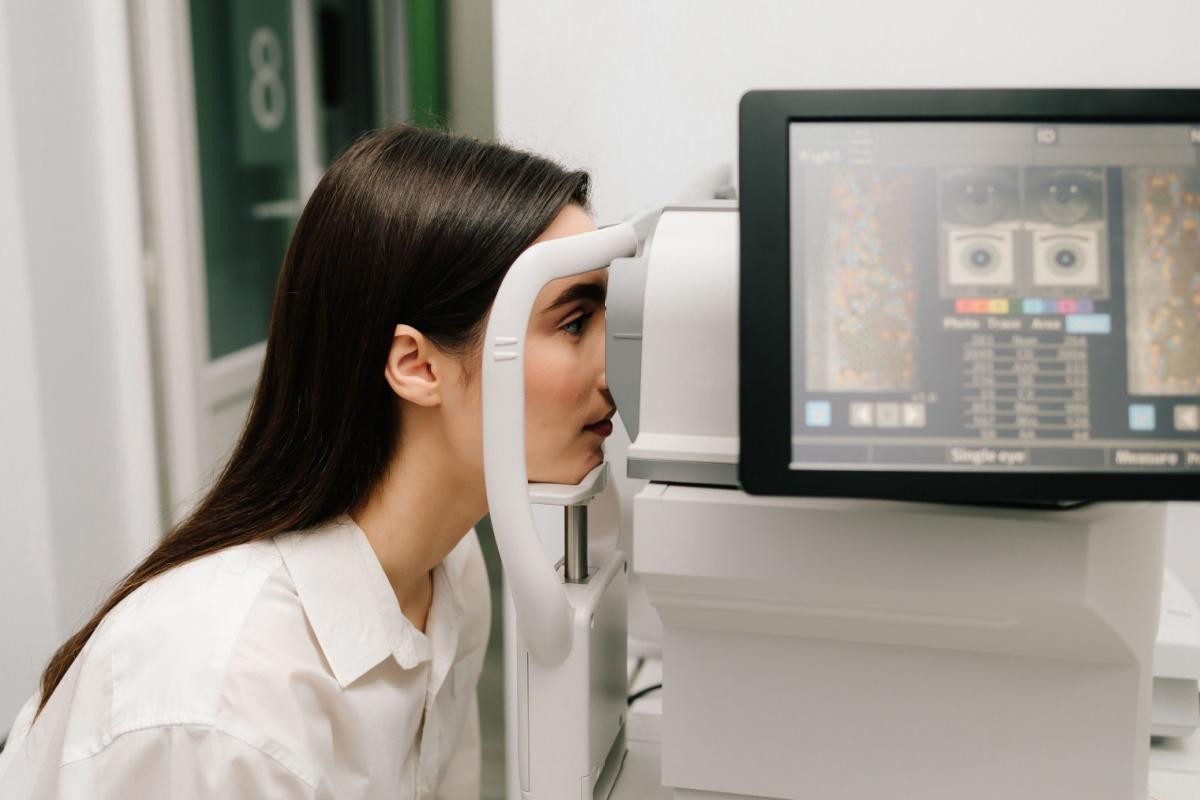
Comprehensive eye exams at Amherstview Eyecare include using advanced diagnostic technology like Optical Coherence Tomography (OCT) imaging to detect vision-threatening conditions like glaucoma, macular degeneration, and retinal damage in their earliest stages, when treatment is most effective. These detailed scans reveal microscopic changes in your retinal layers that aren’t visible during a standard eye chart test.
Eye exams can also reveal signs of diabetes, high blood pressure, and autoimmune diseases through changes in your retinal blood vessels, often years before symptoms appear elsewhere in your body.
Early Detection Saves Your Vision
Many eye diseases damage your vision gradually, so you won’t feel pain or notice changes until significant harm has already occurred. Your eyes don’t send warning signals the way a broken bone or cut would.
Glaucoma affects over 400,000 Canadians, but half don’t know they have it. This condition damages your optic nerve slowly, starting with your peripheral vision. You might not realize anything is wrong until you’ve lost substantial sight.
Once vision is lost to glaucoma, it can’t be restored. But when an optometrist catches glaucoma early through pressure testing and optic nerve examination, treatment can slow or stop further damage.
Monitor Changes in Your Prescription
Your vision changes gradually over months and years, making it hard to notice when your glasses or contacts need updating. You adapt to slightly blurry vision without realizing it’s happening.
An outdated prescription forces your eyes to work harder to focus clearly. This extra effort can lead to headaches, eye strain, and fatigue by the end of your workday. You might blame stress or lack of sleep when the real problem is your vision.
Fresh prescription glasses or contacts make reading easier, reduce headaches, and help you feel more comfortable during long tasks like driving or computer work. Clear vision also improves your safety when you’re behind the wheel.
Screen for Serious Health Conditions
What Your Eyes Reveal About Your Health
Your eyes contain the only blood vessels that doctors can see directly without surgery. During an eye exam, the optometrist can spot changes that indicate diabetes, high blood pressure, or autoimmune diseases.
Diabetes affects the tiny blood vessels in your retina, often before you experience other symptoms. These changes show up during a dilated eye exam, sometimes years before blood sugar problems become obvious in other ways.
High blood pressure damages the delicate vessels in your eyes, creating visible changes that an eye doctor can detect. Autoimmune conditions like rheumatoid arthritis or lupus can also affect eye tissues in specific patterns.
Common Warning Signs During Exams
Blood vessel changes in your retina can indicate circulation problems throughout your body. The optometrist might notice bleeding, swelling, or unusual vessel patterns that suggest health issues needing attention.
Elevated eye pressure doesn’t always mean glaucoma, but it requires monitoring and possible treatment. Some people have naturally higher pressure, while others develop glaucoma with normal pressure readings.
Swelling or damage to your optic nerve can signal increased pressure in your brain, blood flow problems, or inflammatory conditions. These findings often prompt referrals to other healthcare providers for further evaluation.
Address Screen-Related Dry Eye and Eye Strain
Extended screen time causes real physical discomfort, though not for the reasons most people assume. The primary culprits are reduced blinking and sustained close-range focusing, not blue light from your devices.
Why Screens Make Your Eyes Uncomfortable
Reduced Blinking Leads to Dry Eyes
You normally blink about 15-20 times per minute, but this drops to 5-7 times when you’re focused on a screen. Each blink spreads a fresh layer of tears across your eye’s surface. Fewer blinks mean your tears evaporate faster, leaving your eyes dry, irritated, and uncomfortable by the end of your workday.
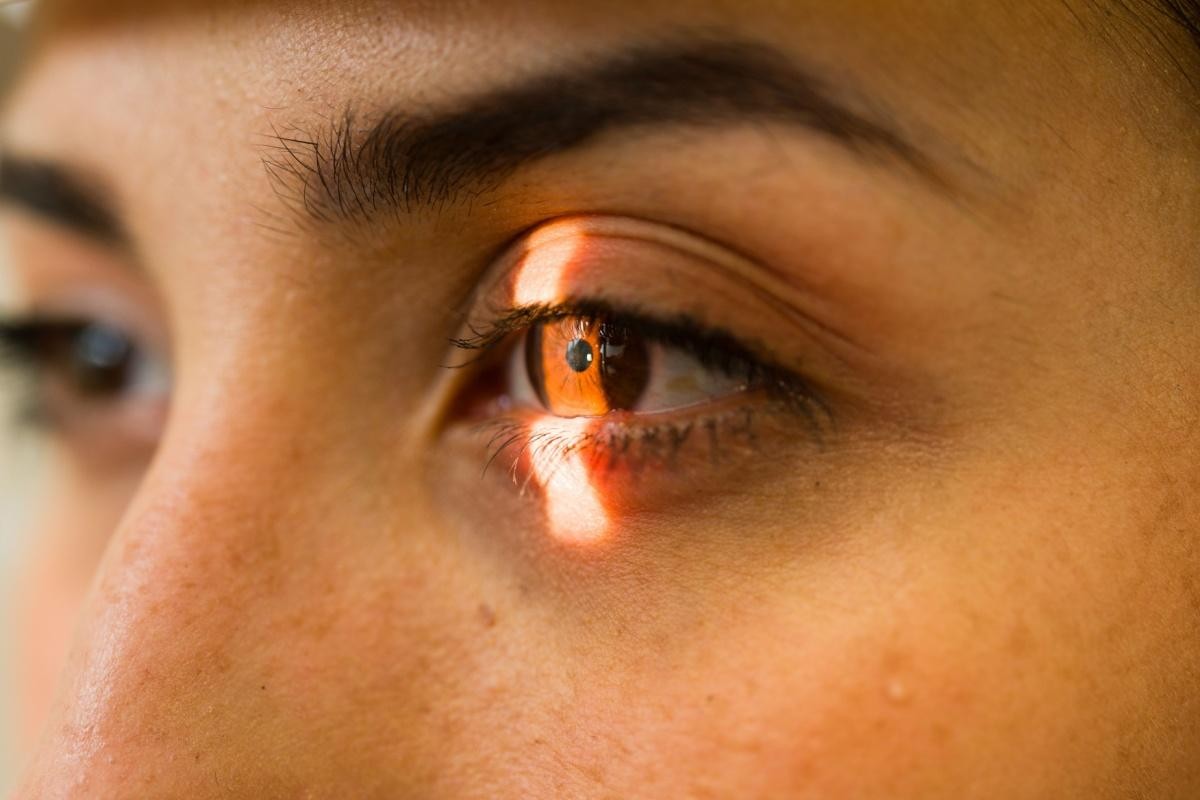
Your eyes work constantly to maintain focus at screen distance, typically about an arm’s length from your face. This sustained close-range focusing effort strains the muscles inside your eyes, leading to headaches, blurred vision, and the feeling that your eyes are “tired.”
During your eye exam, your optometrist can determine whether computer-specific glasses would reduce your focusing effort, assess whether you have dry eye disease worsened by screen use, and recommend appropriate treatments like preservative-free artificial tears or prescription medications.
Taking regular breaks using the 20-20-20 rule (every 20 minutes, look 20 feet away for 20 seconds) helps by giving your focusing muscles a rest and reminding you to blink fully, though it’s not a substitute for proper treatment if you have underlying dry eye or need vision correction.
Support Your Child’s Learning and Development
About 80% of what children learn in school comes through their visual system, yet many kids struggle academically not because they can’t learn, but because they can’t see properly. Children don’t realize their vision is different from anyone else’s; they assume everyone sees the way they do, so they rarely complain.
Vision Problems That Affect School Performance
Reading requires smooth eye movements across the page, accurate jumps from line to line, and sustained focus on small print. Children with tracking problems may lose their place frequently, skip words or lines, or avoid reading altogether because it’s uncomfortable.
Eye teaming issues can cause double vision, headaches, or eye strain during reading. Some kids close one eye or tilt their head to compensate. Focusing problems make it difficult to switch between looking at the board and down at a desk, or to maintain clear vision during extended reading.
What Parents Often Miss
Many vision problems affecting learning aren’t obvious. A child might read the board clearly but struggle with worksheets, or see perfectly at distance but experience eye strain during homework. These issues don’t show up when you ask “can you see okay?” because the child has no reference point for what “seeing okay” should feel like.
Regular comprehensive children’s eye exams detect amblyopia (lazy eye) during the critical treatment window before age 7-8, when the visual system is still developing and treatment is most effective.
These exams also identify early myopia in school-age children, allowing for myopia management strategies that can slow progression and reduce the risk of high myopia complications later in life.
If your child complains of headaches, avoids reading, holds books very close, or struggles academically despite strong effort, vision problems may be contributing to these difficulties.
Schedule Your Kingston Eye Exam Today
What to Expect During Your Visit
A comprehensive eye exam typically takes 45-60 minutes and includes vision testing, eye pressure measurement, and examination of your eye health with advanced diagnostic tools like our Optical Coherence Tomography (OCT) machine. The optometrist can also discuss your daily activities and any vision concerns you’ve noticed.
Modern diagnostic testing provides detailed images of your retina and optic nerve, creating a baseline for future comparisons. This technology can detect subtle changes that might not be visible during a standard examination.
You’ll have time to discuss your vision needs, whether that’s computer work, sports, hobbies, or reading. This helps determine if specialized lenses or treatments could improve your daily comfort and visual performance.
Preparing for Your Appointment
Bring your current glasses and contact lenses, even if you think the prescription is outdated. This helps the optometrist understand how your vision has changed and what corrections have worked for you.
Make a list of all medications you take, including over-the-counter drugs and supplements. Some medications can affect your eyes or interact with eye treatments.
Think about your family history of eye conditions like glaucoma, macular degeneration, or diabetes. This information helps the eye doctor assess your risk factors and determine appropriate screening schedules.
Regular eye exams protect more than just your vision; they’re an important part of your overall health care routine. Amherstview Eyecare provides comprehensive eye exams and contact lens fittings for families throughout the Kingston area.
Contact our team today to schedule your eye exam and take an important step toward protecting your vision and health.