


Key Takeaways
- Daily contacts give you a fresh pair each morning with no cleaning routine.
- Monthly contacts cost less per lens and hold moisture through a long day.
- Your wear schedule, budget, and eye comfort help point you toward the right pick.
- Daily lenses often suit travel, sports, and sensitive eyes.
- A contact lens fitting helps you switch between types safely.
The Right Contacts Depend on Your Needs
You want contacts that fit your day without slowing you down. Should you go for daily lenses or monthly ones?
The answer depends on your needs. The right contact lens is one that both matches your budget and keeps your eyes comfortable during the day.
Our team at Amherstview Eyecare can walk you through your options as part of a contact lens exam and fitting.
The Main Differences Between Daily & Monthly Contacts
Daily lenses last one day. You open a fresh pair each morning and throw them out at night. On the other hand, monthly lenses last up to 30 days, so you wear the same pair for multiple days, clean them each evening, and store them in solution.
Each kind of lens has a different feel. Daily lenses use thinner material that sits lightly on your eye. Monthly lenses are a bit thicker, which helps them hold up through weeks of wear and tear.
How Daily Contacts Work
Daily contacts follow a simple rhythm. You wear one pair, then toss them before bed. No cases, no solution, no scrubbing.
The Perks of Daily Lenses
A fresh pair every morning means clean lenses with minimal effort. You get to skip the nightly cleaning routine.
Because you wear each pair of daily lenses once, less protein and dust builds up on the surface. This can help if your eyes often feel itchy or if you often deal with allergies during Kingston’s spring and summer.
The Downsides of Daily Lenses
Daily lenses also have some disadvantages:
- The upfront cost runs higher, since you open a new pair daily.
- The thin material can tear more easily when you handle it.
- Daily use creates more packaging waste over the year.
How Monthly Contacts Work
Monthly contacts reward a steady routine. You wear the same pair for up to 30 days, clean them each night, and store them in fresh solution.
The Perks of Monthly Lenses
The cost per lens is lower for monthly lenses due to the fact that each lens lasts longer. The thicker material also holds moisture, which may help your eyes stay more comfortable during the course of a long workday.
Monthly lenses also fit a wide range of prescriptions, including astigmatism. If your eyes need a specific kind of correction, you often have more options with monthly lenses.
The Downsides of Monthly Lenses
The routine associated with these lenses asks a bit more from you.
- You have to clean and store the lenses every night.
- Deposits may build up on the lenses over time, which may affect your comfort by the end of the month.
- Solution and cases add an ongoing cost.
How to Pick the Right Lens for You
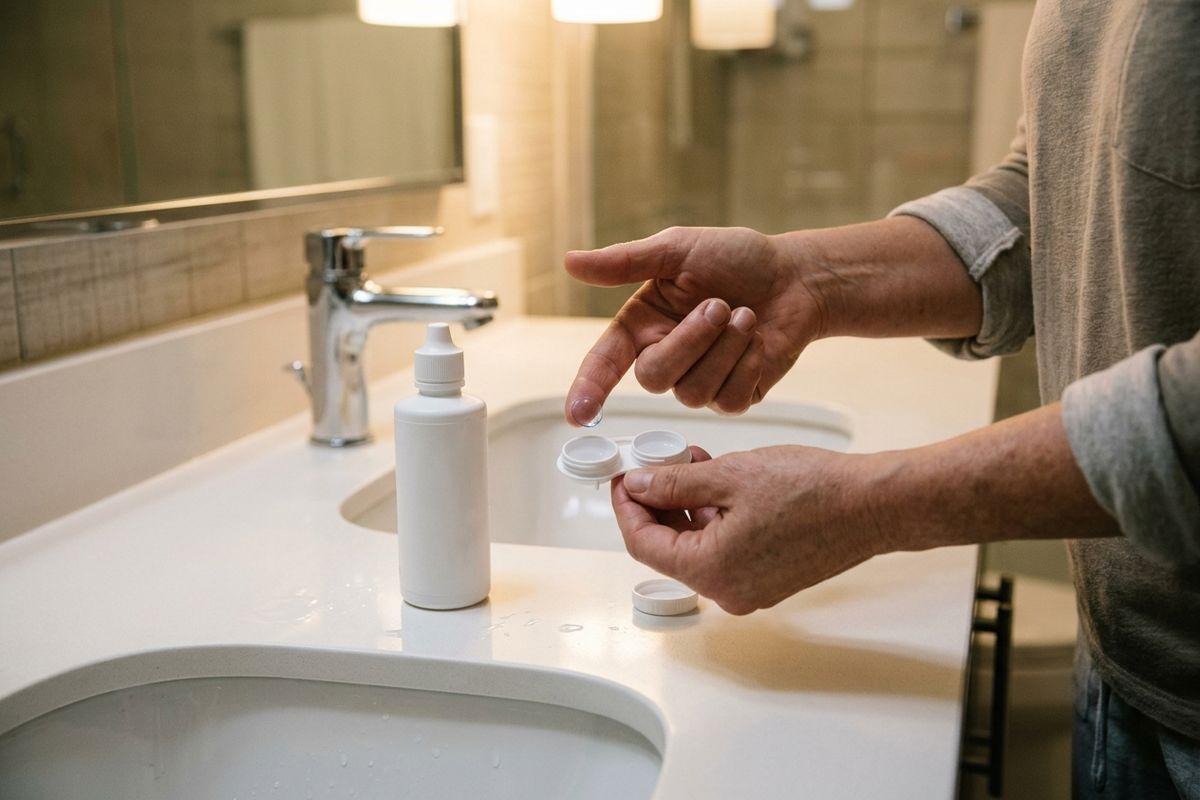
The right choice depends on how you live and what your eyes need.
Your Lifestyle & Wear Schedule
Everyday wear tends to favour monthly lenses, since the cost per day stays low. If you reach for contacts most mornings, monthly lenses can stretch your budget further.
Part-time wear is a different story. If you only need contacts for weekend soccer games, travel, or the odd night out, daily lenses save you from having to care for a pair you rarely use.
Comfort, Budget, & Age
Dry or allergy-prone eyes often feel better with daily lenses, as the short lifespans of these lenses help prevent the buildup of irritants.
If you’re concerned about cost, compare a year of dailies against a year of monthlies plus solution and cases, then see which number fits your budget.
For kids, daily lenses keep things simple. There’s no nightly cleaning step to remember, which can make their routine easier to manage.
Common Questions About Daily & Monthly Contacts
Can You Reuse or Nap in Daily Contacts?
You should toss daily lenses after one wear. Reusing them raises the risk of irritation and infection.
Skip naps with any contacts in, daily or monthly. Closing your eyes for a rest with your contacts in cuts the flow of oxygen to your eyes, which can leave them feeling dry and sore.
Can You Switch Between Lens Types?
You can switch, and many people do as their vision needs change. A contact lens fitting confirms that your new lenses match your prescription and the shape of your eye.
A contact lens fitting measures your eyes, tests the fit of your lenses, and lets you try them on before you commit. This process helps you find a pair that feels right.
Choosing between daily and monthly contacts comes down to your routine, your comfort, and your budget. Our team at Amherstview Eyecare can walk you through both options and help you find a match for your eyes. Book your eye exam in Kingston today and see the difference the right lens can make.