
Key Takeaways
- Pink eye shows up as redness in the white part of your eye.
- Viral and bacterial types spread through touch, shared items, and coughs.
- Allergic and irritant types do not spread to other people.
- Watery discharge often points to viral, while thick pus suggests bacterial.
- Eye pain, blurred vision, or light sensitivity are reasons to book a visit.
Some Forms of Pink Eye Are Contagious
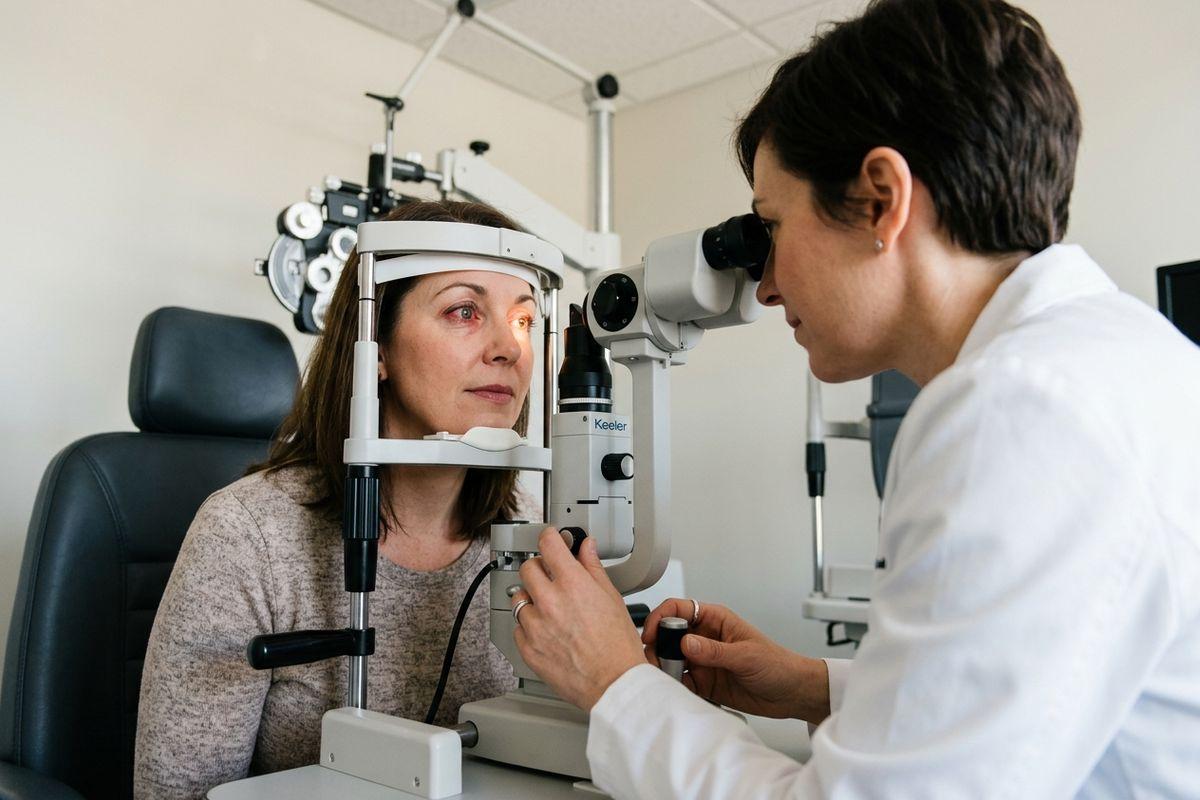
You wake up, look in the mirror, and the white part of your eye has turned red or pink. This colour change is the main sign of pink eye, also called conjunctivitis, and it happens when the thin layer covering your eye and inner eyelid becomes inflamed. Most pink eye is contagious, as the viral and bacterial types spread easily from one person to another.
While pink eye often resolves on its own, stubborn pink eye or significant discomfort warrant a visit to our team at Amherstview Eyecare.
What Pink Eye Is & How It Spreads
The viral and bacterial forms of pink eye travel through touch, shared items like towels or pillowcases, and even coughs or sneezes. Rub an infected eye, then touch a doorknob, and the germs can hang around for someone else to pick up. That’s why pink eye moves quickly through schools and homes.
Types of Pink Eye & Their Causes
Viral & Bacterial Types
Viral pink eye often shows up alongside a cold or a respiratory bug. Bacterial pink eye often comes from an infection in or around the eye. Both spread from person to person, so simple habits like handwashing make a real difference in limiting spread.
Allergic & Irritant Types
Not every case of pink eye is contagious. Some flare-ups come from allergies or irritants instead.
- Pollen, dust, and pet dander can set off the allergic type.
- Smoke, chlorine, and household chemicals can irritate the surface of your eye.
These types of pink eye don’t spread to others. Rather, they tend to show up when the seasons change or when you’re exposed to something your body reacts to.
How to Tell If Pink Eye Is Viral or Bacterial
The type of discharge can give you a clue about what you’re dealing with.
- Watery discharge often points to a viral cause.
- Thick, sticky pus that yellows or crusts over suggests a bacterial cause.
- Itchiness in both eyes usually hints at allergies rather than an infection.
These signs overlap, so they aren’t a firm diagnosis. A Kingston eye doctor can look closely and confirm what’s going on, which helps you treat it the right way.

Signs to Watch For & When to See Our Team
Pink eye tends to include a mix of different symptoms. Spotting them early helps you act before they spread to your other eye or to people around you. Look for:
- Redness in the white of the eye
- Itchiness or a gritty feeling, like sand under your lid
- Extra tearing
- Crusty discharge, often worse in the morning
- Swollen eyelids
Reasons to Book a Visit
Many cases clear up on their own, but some deserve a closer look. Reach out to our team if you notice any of the following.
- Eye pain or blurred vision
- Light sensitivity or symptoms that keep getting worse
- A newborn with pink or watery eyes
An eye exam in Kingston gives you a clear answer and a plan, whether you need drops, allergy support, or just reassurance.
How to Limit the Spread at Home
A few small changes can keep pink eye from making the rounds through your household. Wash your hands often with soap and water, and try to keep your fingers away from your eyes. Avoid sharing towels and eye makeup, and if you wear contact lenses, stop wearing them while your eyes are irritated or red. Follow your eye care professional’s advice on when it’s safe to wear them again.
Swap your pillowcase daily and wash your linens separately from the rest of the laundry. These habits help you protect the people you live with while you recover.
Red, itchy eyes don’t have to slow you down. Our team at Amherstview Eyecare can check your symptoms, explain what’s happening, and help you find relief for the whole family. Book your eye exam today and get clear answers about your eye health.